Why Seasonal Facility Maintenance Matters
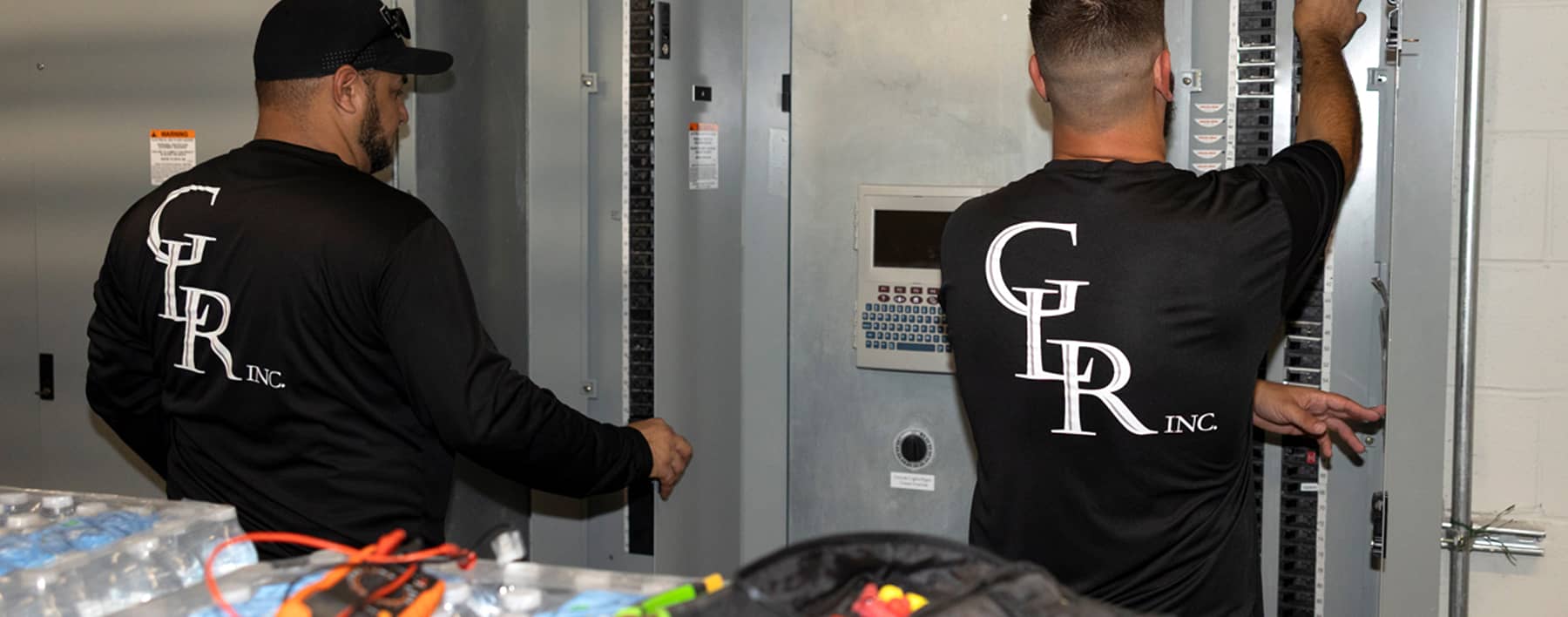
Seasonal transitions don’t just change the weather — they change how your facility performs. From temperature swings and humidity shifts to storms and freezing conditions, each season introduces new stresses on buildings, systems, and infrastructure. Proactive facility maintenance ensures your property remains safe, efficient, and operational year-round.
At GLR, Inc., the focus is simple: anticipate seasonal challenges before they become costly disruptions. Strategic, preventative maintenance protects assets, reduces downtime, and extends the life of critical systems. Find out why seasonal facility maintenance is important for the longevity of your property.
1. Protecting Building Systems
HVAC, plumbing, roofing, and electrical systems all respond differently as temperatures rise or fall.
Spring & Summer: Cooling systems must operate efficiently under high demand. Preventative inspections help avoid breakdowns during peak heat.
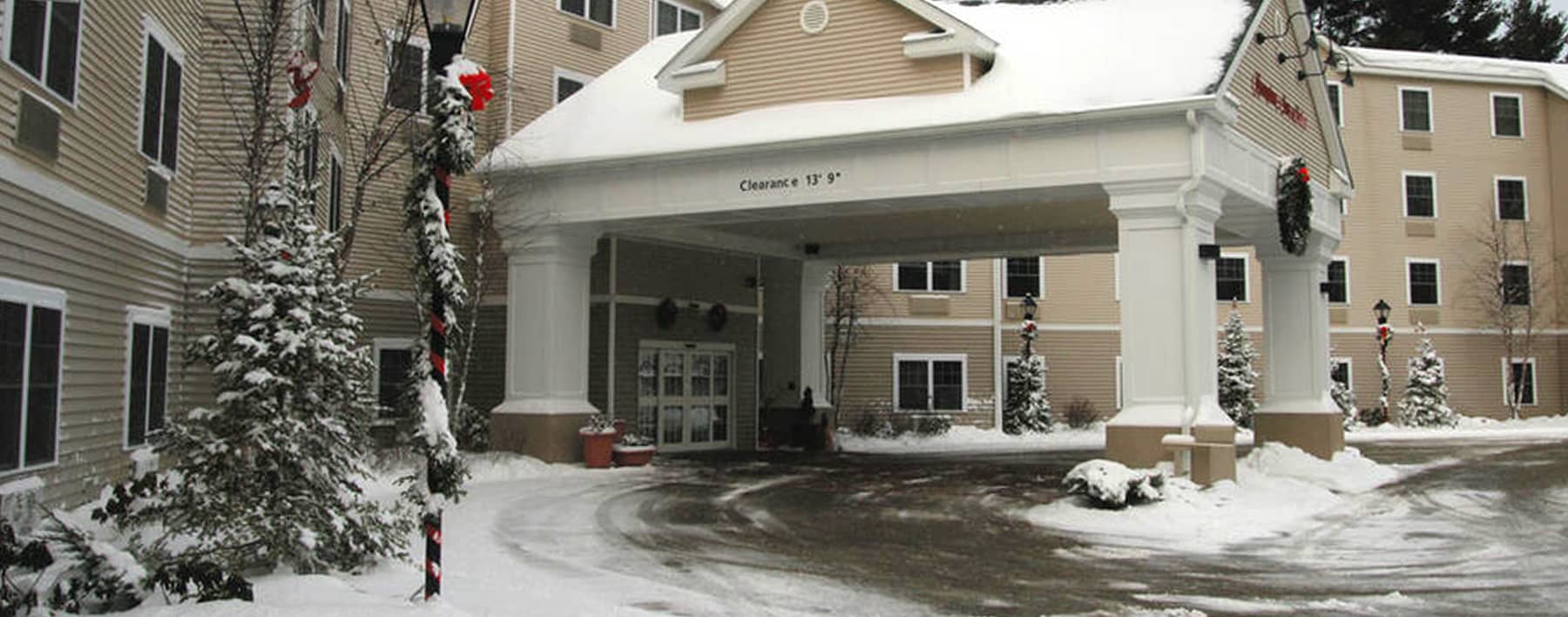
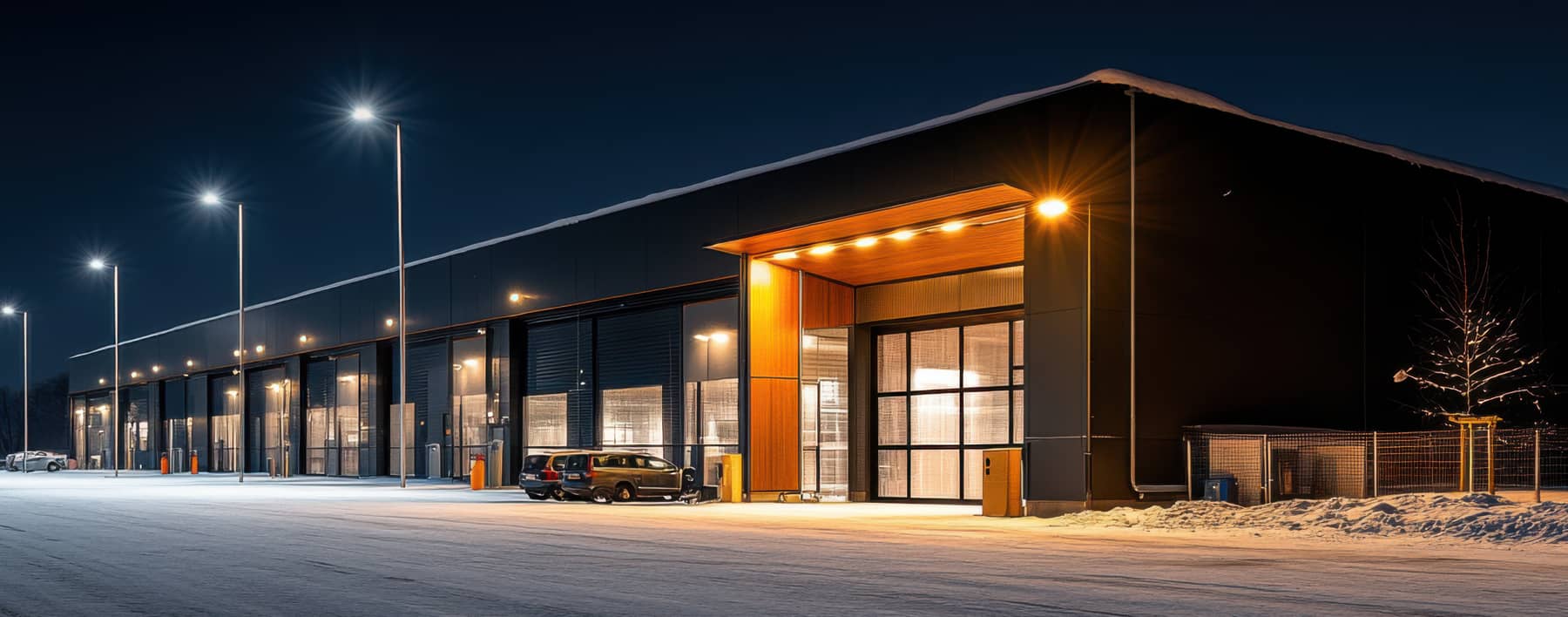
Fall & Winter: Heating systems, insulation, and weatherproofing become critical. Frozen pipes, failing boilers, and roof leaks can cause significant damage if left unchecked.
Seasonal inspections help identify wear and tear before systems fail under stress.
2. Preventing Costly Emergency Repairs
Reactive maintenance is always more expensive than proactive planning. A small roof issue in fall can turn into a major interior water loss during winter storms. A neglected HVAC unit can fail during a heat wave when replacement parts are hardest to source.
Routine seasonal maintenance:
- Reduces emergency service calls
- Lowers repair costs
- Minimizes operational downtime
- Protects tenant and employee comfort
3. Improving Energy Efficiency
As seasons shift, so does energy demand. Poorly maintained equipment works harder, consuming more power and increasing utility costs.
Seasonal optimization can include:
- HVAC tune-ups
- Filter replacements
- Seal and insulation inspections
- Lighting system adjustments
These steps help facilities operate at peak efficiency while reducing overhead expenses.
4. Enhancing Safety and Compliance
Weather-related hazards increase during seasonal transitions:
- Ice accumulation in winter
- Storm debris and drainage issues in spring
- Heat-related system strain in summer
- Falling leaves clogging gutters in fall
Routine inspections and site maintenance improve safety conditions for occupants and visitors while maintaining compliance with operational standards.
5. Extending Asset Lifespan
Facilities represent significant long-term investments. Regular seasonal maintenance:
- Extends equipment life cycles
- Preserves structural integrity
- Protects interior finishes
- Maintains property value
Preventative care ensures that capital investments last as long as intended — or longer.
The Bottom Line
Seasonal change is predictable. System failures don’t have to be.
A proactive maintenance strategy reduces risk, controls costs, and keeps facilities operating smoothly throughout the year. With a structured approach and experienced oversight, organizations can move from reactive repairs to strategic asset management.
For property owners and managers, the message is clear: seasonal facility maintenance isn’t optional — it’s essential.