Is Your Property Ready for Winter? How Facility Maintenance Helps Prepare Your Commercial Building for Cold Weather
As temperatures begin to drop, commercial property owners and facility managers face a new set of challenges. Freezing temperatures, snow, ice, increased heating demands, and unpredictable winter weather can put additional stress on building systems and create costly maintenance issues if properties aren’t properly prepared.
For commercial buildings, winter preparation involves more than simply turning on the heat and making sure sidewalks are clear. HVAC systems, plumbing, roofing, insulation, exterior drainage, parking areas, and building safety features all need attention before the cold weather settles in.
A proactive facility maintenance program can help identify potential problems, address needed repairs, and prepare commercial properties to operate safely and efficiently throughout the winter season.
Why Winter Preparation Matters for Commercial Properties
Winter weather can expose weaknesses in building systems that may have gone unnoticed during warmer months. A minor roof leak can become a major problem when snow and ice accumulate. A small plumbing issue can turn into a burst pipe when temperatures fall below freezing. An inefficient HVAC system can struggle to maintain comfortable indoor temperatures while driving up energy costs.
Taking a preventative approach helps property owners avoid many of these problems before they disrupt daily operations.
Proper winter preparation can help:
- Reduce the likelihood of emergency repairs and unexpected downtime.
- Protect plumbing, HVAC, and other critical building systems.
- Improve heating efficiency and manage energy costs.
- Prevent water intrusion and weather-related building damage.
- Maintain safe entrances, walkways, and parking areas.
- Extend the useful life of building equipment and infrastructure.
- Provide a more comfortable environment for employees, customers, and tenants.
The best time to address winter maintenance concerns is before the first significant freeze or snowfall.
1. Inspect and Service HVAC Systems
Heating systems become one of the most important components of a commercial property during winter. A system that has been operating intermittently through the warmer months may not be ready for the increased demands of continuous heating.
A professional HVAC inspection should evaluate equipment condition, performance, and overall efficiency.
Important maintenance considerations include:
- Inspecting furnaces, boilers, rooftop units, and heat pumps.
- Replacing or cleaning air filters.
- Checking thermostats and building automation controls.
- Inspecting belts, motors, electrical connections, and moving components.
- Cleaning heating coils and inspecting heat exchangers.
- Checking ductwork for leaks or damaged insulation.
- Verifying that vents and air distribution systems are functioning properly.
- Confirming that heating equipment is operating safely and efficiently.
For larger commercial properties, properly balancing heating systems and reviewing temperature controls can also help prevent uneven heating throughout the building.
Addressing HVAC issues before winter demand increases can reduce the risk of unexpected system failures when reliable heating is most important.
2. Protect Plumbing Systems From Freezing Temperatures
Frozen pipes are among the most disruptive and expensive winter maintenance problems for commercial properties. When water freezes inside plumbing lines, it expands and can cause pipes to crack or burst, potentially resulting in significant water damage.
Facility maintenance teams should identify vulnerable plumbing areas before temperatures begin to fall.
Areas requiring attention include:
- Pipes located in exterior walls or unheated spaces.
- Plumbing in mechanical rooms, crawl spaces, and storage areas.
- Exterior hose connections and irrigation systems.
- Restrooms and utility areas that receive limited heating.
- Water lines serving vacant or intermittently occupied spaces.
Preventative measures may include insulating exposed pipes, sealing air leaks, winterizing exterior plumbing, and confirming that freeze protection systems are functioning properly.
For properties with vacant suites or seasonal operations, establishing appropriate temperature settings and monitoring procedures is especially important.
3. Evaluate Roofs, Gutters, and Drainage Systems
A commercial roof takes a beating during the winter months. Snow accumulation, ice, freezing rain, and fluctuating temperatures can expose existing weaknesses and create additional stress on roofing systems.
Before winter arrives, schedule an inspection to identify potential problems and address them while weather conditions are still favorable.
A winter roof inspection should include:
- Checking roofing materials for cracks, deterioration, or damage.
- Inspecting flashing, seams, penetrations, and roof edges.
- Looking for signs of previous leaks or moisture intrusion.
- Clearing leaves and debris from roof drains and gutters.
- Inspecting downspouts and confirming proper drainage.
- Checking rooftop HVAC equipment and associated penetrations.
Clogged gutters and drains can contribute to ice buildup and water intrusion. Making sure drainage systems are clear and functioning properly helps reduce the potential for leaks and damage during winter storms.
It’s also important to have a plan for monitoring snow accumulation and addressing roof conditions when necessary.
4. Inspect the Building Exterior and Seal Potential Air Leaks
Even well-maintained commercial buildings can lose significant amounts of heated air through aging doors, windows, exterior joints, and deteriorating seals.
These seemingly minor issues can contribute to uncomfortable indoor temperatures, higher energy consumption, and increased strain on HVAC equipment.
A facility maintenance inspection should evaluate:
- Exterior door seals and weatherstripping.
- Window caulking and glazing.
- Storefront systems and entry doors.
- Exterior wall joints and penetrations.
- Insulation around exposed piping and mechanical equipment.
- Loading dock doors and overhead doors.
- Areas where drafts or moisture intrusion may occur.
Sealing gaps and repairing damaged components can improve building comfort while helping reduce heating costs throughout the winter.
For retail and commercial properties with frequent customer or employee traffic, entrances and vestibules deserve particular attention.
5. Prepare Parking Lots, Sidewalks, and Exterior Areas
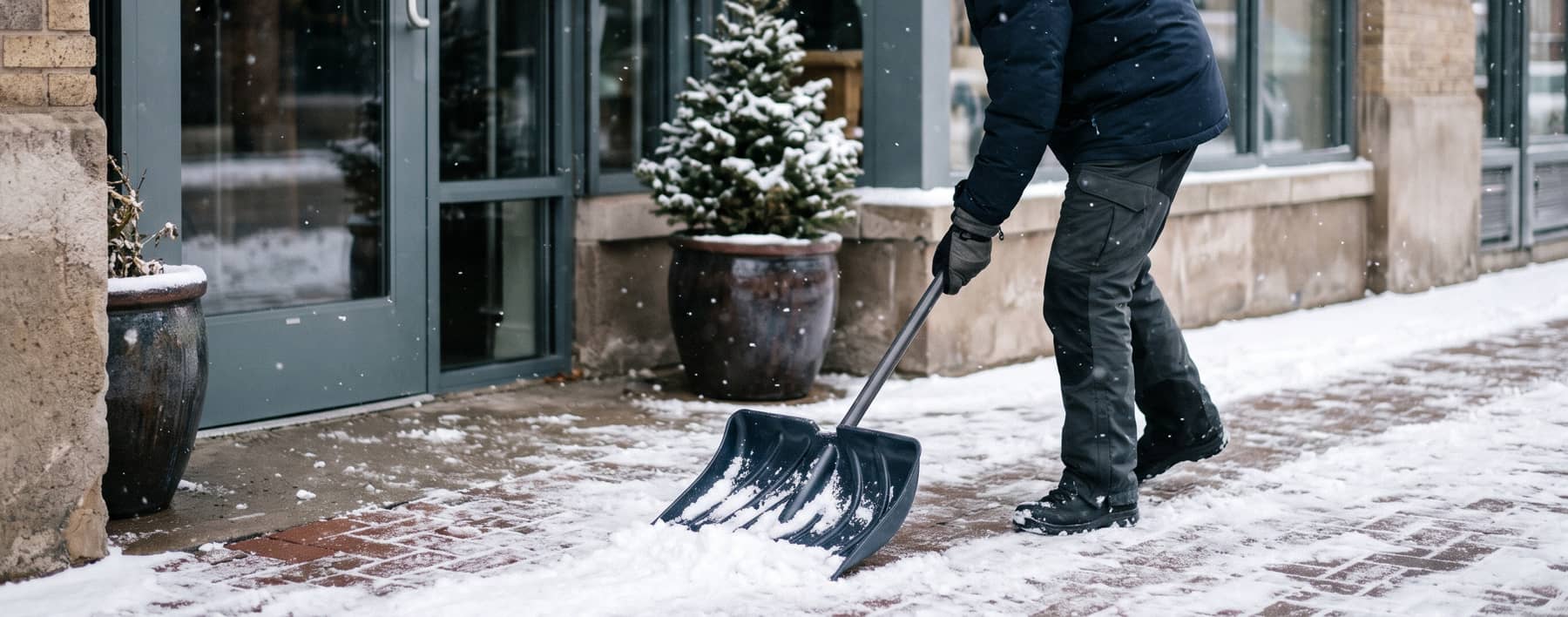
Snow and ice create significant safety concerns for commercial properties. Parking lots, sidewalks, building entrances, loading areas, and pedestrian walkways should all be evaluated before winter weather arrives.
Facility maintenance planning should include:
- Inspecting pavement for cracks, potholes, and uneven surfaces.
- Checking parking lot drainage to prevent standing water from freezing.
- Evaluating exterior lighting and replacing failed fixtures.
- Inspecting handrails, steps, and accessible routes.
- Identifying areas prone to snow accumulation or ice formation.
- Establishing snow removal and ice management procedures.
- Confirming that snow removal equipment and supplies are ready.
Having a snow and ice management plan in place before the first storm helps property managers respond quickly and maintain safer conditions for employees, customers, tenants, and visitors.
It’s also important to establish clear responsibilities for snow removal, deicing, and ongoing property inspections.
6. Check Electrical Systems, Lighting, and Emergency Equipment
Winter brings shorter daylight hours, increased indoor lighting demands, and additional reliance on electrical and emergency systems.
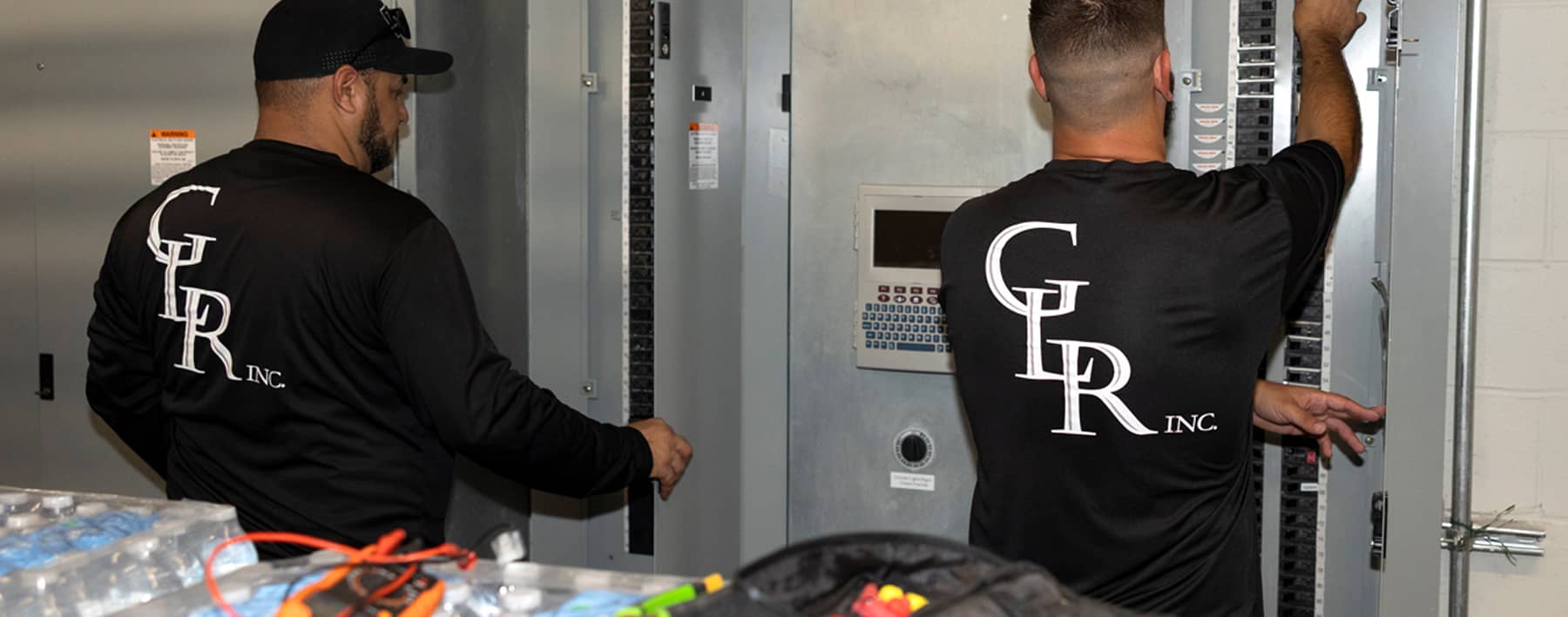
A pre-winter facility inspection should include checking interior and exterior lighting, electrical panels, emergency lighting, exit signs, and backup power equipment.
For properties with generators, confirm that equipment is serviced, fuel supplies are adequate, and systems are ready to operate when needed.
Additional considerations include:
- Testing emergency lighting and exit signs.
- Inspecting exterior security and parking lot lighting.
- Checking electrical connections serving HVAC equipment.
- Inspecting backup generators and transfer switches.
- Confirming that fire alarms and life-safety systems are operational.
- Reviewing emergency procedures for power outages and severe weather.
These systems play an important role in keeping commercial buildings safe and operational when winter weather creates unexpected challenges.
7. Establish a Winter Facility Maintenance Plan
One of the most effective ways to prepare a commercial property for winter is to approach maintenance as an ongoing process rather than a one-time inspection.
A seasonal maintenance plan helps ensure that important building systems are evaluated, necessary repairs are completed, and potential problems are monitored throughout the colder months.
Depending on the property, a winter maintenance program may include:
- Pre-season building and equipment inspections.
- Scheduled HVAC maintenance.
- Routine roof and drainage inspections.
- Plumbing and freeze protection monitoring.
- Snow and ice removal coordination.
- Exterior lighting inspections.
- Emergency repair planning.
- Ongoing monitoring of building performance and energy use.
A documented maintenance schedule also helps property owners prioritize repairs, plan budgets, and maintain better visibility into the condition of their buildings.
Be Proactive About Winter Building Maintenance
Preparing a commercial property for winter isn’t just about avoiding problems when temperatures drop. It’s about protecting the building, improving operating efficiency, maintaining a safe environment, and reducing the likelihood of costly emergency repairs.
From HVAC servicing and plumbing protection to roofing inspections, exterior maintenance, and snow management, taking care of these needs before winter arrives can make a significant difference in how a property performs throughout the season.
GLR, Inc. provides commercial facility maintenance and building services designed to help property owners and businesses protect their investments and keep their facilities operating at their best. With a proactive approach to building maintenance, GLR helps identify potential issues, coordinate necessary repairs, and address the needs of commercial properties throughout the year.
Don’t wait for the first freeze or winter storm to discover a maintenance problem. Contact GLR to discuss your commercial facility maintenance needs and get your property ready for winter.